

Media
18 Jun 2026
PAXXON Fleet Management Guide | How to Quickly Diagnose Tire Balance Issues?
When a vehicle experiences steering wheel vibration or noticeable shaking at high speeds, many fleet operators immediately assume the tire is at fault.
However, an imbalance issue does not necessarily indicate a tire quality problem.
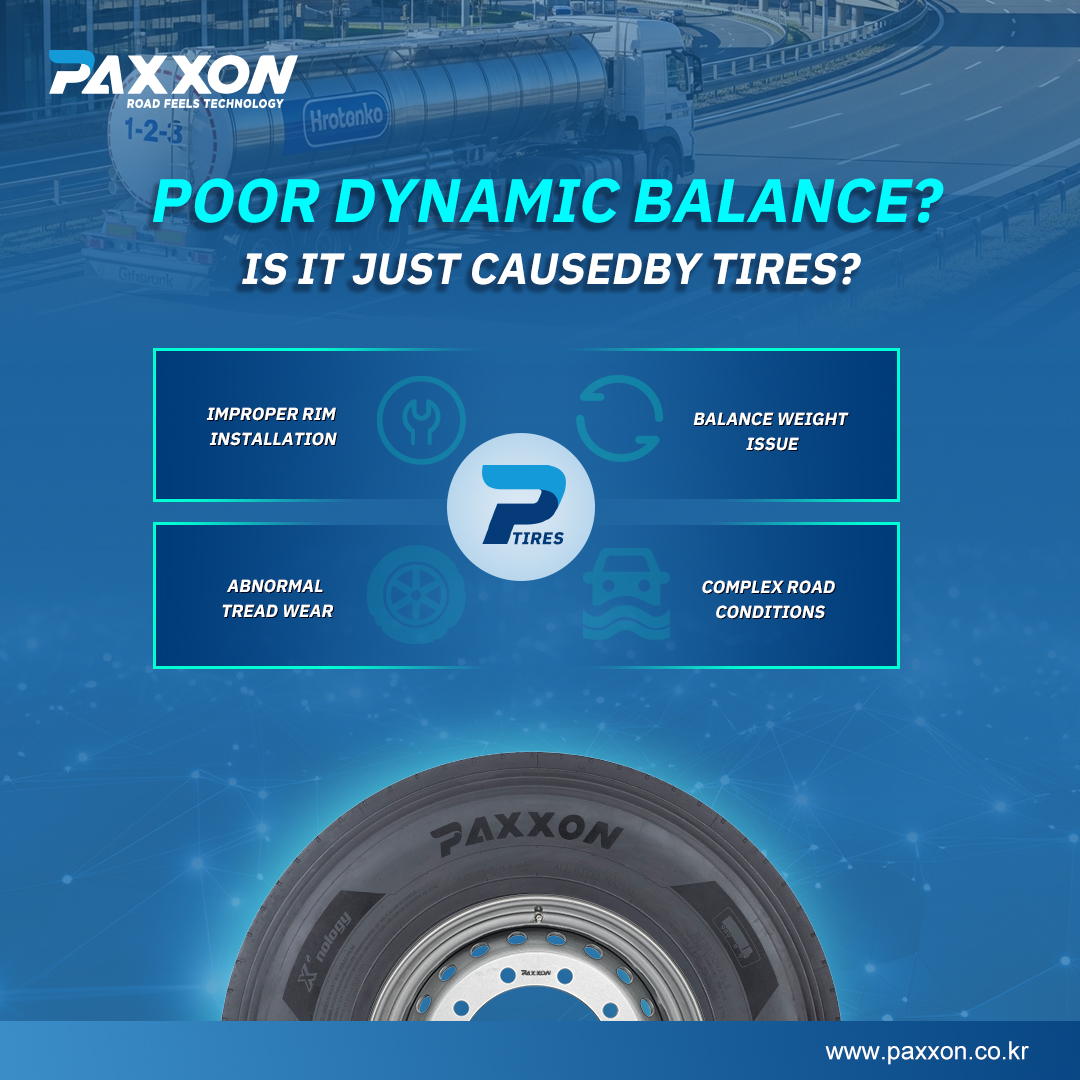
In real-world operations, tire balance can be affected by a variety of factors beyond the tire itself:
• Improper Rim Installation
Misalignment during installation, failure to properly center the wheel, or incorrect tightening torque can all affect the balance of the tire and wheel assembly.
• Balance Weight Issues
Missing, loose, or displaced balance weights can disrupt the original balance and lead to increased vehicle vibration.
• Abnormal Tread Wear
Irregular wear patterns such as shoulder wear, cupping, or localized wear can affect the tire's rotational stability.
• Daily Impacts and Harsh Road Conditions
Frequent contact with curbs, potholes, or rough road surfaces may cause rim deformation or localized tire damage, resulting in balance issues.
For fleet operators, the real cost often comes not from the tire itself, but from misdiagnosis, unnecessary replacements, additional maintenance expenses, and unplanned downtime.
What Should You Do When a Balance Issue Occurs?
✔ Check the wheel installation to ensure there are no mounting or alignment errors.
✔ Inspect balance weights for signs of loss, looseness, or displacement.
✔ Examine tread wear patterns, paying close attention to irregular wear such as cupping or uneven wear.
✔ Check whether the rim has been deformed and inspect the tire for impact-related damage.
PAXXON Reminder
When a balance issue occurs, identifying the root cause is far more important than replacing the tire blindly.
Because finding the right cause is the first step toward solving the problem effectively.
back